



Theraphy Approach

Eating disorders

Healing your relationship with food and your body — compassionate, specialist support for recovery and freedom.

"Recovery is not just about food; it's about reclaiming your life, rediscovering your worth, and building a peaceful relationship with yourself."

— Carolyn Stevenson

Understanding Eating Disorders

Eating disorders are serious, complex mental health conditions — not lifestyle choices, not vanity, and not something a person can simply “snap out of.” They affect people of all ages, genders, body sizes, and backgrounds, and often carry a profound sense of shame and secrecy that makes reaching out feel impossibly hard.

Whether you are living with Anorexia Nervosa, Bulimia Nervosa, Binge Eating Disorder (BED), OSFED (Other Specified Feeding or Eating Disorder), or a more diffuse pattern of disordered eating, your experience is real, valid, and deserving of compassionate, specialist care.

I work with individuals at all stages of their relationship with food and their body — from those in early distress to those further along the recovery journey — offering a warm, non-judgmental space where healing is genuinely possible.

Common Signs to Recognise

Recovery is possible at any stage

No matter how long you have been struggling or how entrenched the patterns feel, recovery is genuinely possible. It is never too early — or too late — to seek support and begin finding your way back to yourself.

Eating Disorders I Work With

Eating disorders exist on a wide spectrum. Wherever your experience sits, I offer a safe, non-judgmental space to explore what’s happening for you and find a path toward healing.

Anorexia Nervosa

Severe restriction of food intake driven by intense fear of weight gain, distorted body image, and a sense of identity deeply tied to control over eating.

Bulimia Nervosa

Cycles of bingeing and compensatory behaviours such as purging, fasting, or excessive exercise — often accompanied by deep shame and secrecy.

Binge Eating Disorder (BED)

Recurrent episodes of eating large amounts in a short time with a sense of loss of control, followed by distress, guilt, or shame — without compensatory behaviours.

Orthorexia

An obsessive preoccupation with "clean" or "pure" eating that begins to dominate daily life, restrict social engagement, and cause significant distress.

Body Image Distress

Persistent, distressing dissatisfaction with one's body — including body dysmorphia — that impacts self-esteem, relationships, and quality of life.

Disordered Eating & Chronic Dieting

A complex, often long-standing pattern of unhealthy eating behaviours that may not meet diagnostic criteria but cause real suffering and deserve care.

My Approach to Eating Disorder Therapy

I draw on an integrative, evidence-based framework, weaving together the most effective therapeutic approaches for eating disorders — always tailored to you as a whole person, never reduced to a diagnosis or a number on a scale.

Enhanced CBT (CBT-E)

The gold-standard evidence-based approach for eating disorders — directly addressing the thoughts, feelings, and behaviours that maintain eating disorder psychopathology and perpetuate the cycle.

Compassion-Focused Therapy (CFT)

Gently shifting from the harsh inner "critical voice" — so common in eating disorders — toward a warmer, more compassionate relationship with oneself and one's body.

Somatic Awareness

Gently reconnecting with the body's internal signals — hunger, fullness, satisfaction — and rebuilding trust in bodily sensations that eating disorders so often disconnect us from.

Relational & Psychodynamic Exploration

Understanding the deeper emotional and relational roots of the eating disorder — including attachment, identity, and early experiences — to create lasting, meaningful change.

What to Expect

Therapy for eating disorders is a collaborative, compassionate journey. Here’s how we’ll work together from your very first contact.

Free Consultation

A gentle 15-minute phone call to discuss your situation, ask questions, and explore whether working together feels like the right fit.

Initial Assessment

A thorough, compassionate first session to understand your history with food and your body, your current struggles, and what recovery means to you.

Tailored Treatment

A personalised plan drawing on the most relevant evidence-based approaches, adapted to your specific presentation, pace, and goals.

Ongoing Support

Regular sessions to consolidate progress, build resilience, and navigate setbacks — always reviewed collaboratively to ensure therapy is working for you.

50 min

Standard session length

Weekly

Recommended frequency

12–30

Typical number of sessions

What Recovery Can Look Like

Recovery from an eating disorder is not simply about changing what you eat — it is about rebuilding your relationship with yourself. Many clients experience profound, lasting transformation across all areas of their life.

A more peaceful relationship with food

Moving away from rigid rules and fear toward greater flexibility, spontaneity, and enjoyment around eating.

Improved body image and self-worth

Developing a kinder, more neutral relationship with your body — grounded in who you are rather than how you look.

Reconnection with social life and relationships

Reclaiming meals with others, social occasions, and the relationships that eating disorders can quietly erode over time.

Greater emotional regulation

Finding new ways to manage difficult emotions that don't involve food — building a richer, more resilient inner life.

A renewed sense of identity and purpose

Discovering who you are beyond the eating disorder — your values, strengths, and the life you truly want to live.

d83f06b1bc-702204275ee6855673f1
Sarah M.
Sarah M.
Generalised Anxiety
"Carolyn helped me see that my eating disorder wasn't who I was — it was something that had happened to me. For the first time in years, I feel like I'm living my life rather than just surviving it."

Client Experiences

Words from those who have walked this path toward recovery

Claire M.
Claire M.
Binge Eating Disorder
"I had struggled with bulimia for over a decade and felt utterly hopeless. Carolyn's warmth and expertise gave me the courage to face what was underneath. I cannot overstate how much my life has changed."

Sarah M.
Sarah M.
Generalised Anxiety
"I didn't think binge eating was a 'real' eating disorder. Carolyn helped me understand the shame and pain underneath it — without any judgment. I finally feel free from the cycle I'd been trapped in."

Tom A.
Tom A.
Orthorexia
"Working with Carolyn on my body image and orthorexia has been the most meaningful thing I've ever done for myself. I can eat with my family again. I didn't think that would ever be possible."
Why Work With Carolyn?

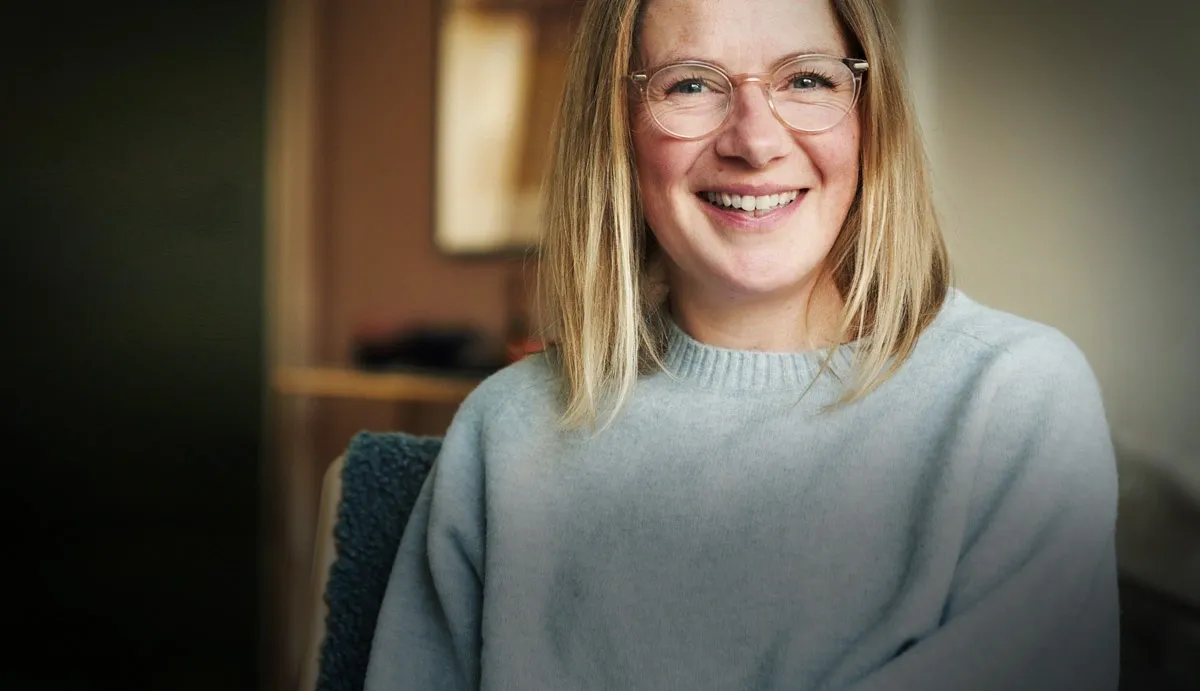
Eating disorders require specialist care. With extensive training in evidence-based eating disorder therapies and over a decade of clinical experience, I bring both expertise and genuine compassion to every client I work with.

BACP Accredited Psychotherapist

Fully accredited member of the British Association for Counselling and Psychotherapy, adhering to the highest ethical standards.

Specialist Eating Disorder Training

Advanced training in CBT-E, CFT, and somatic approaches specifically developed for eating disorder presentations.

10+ Years Experience

Extensive experience working with eating disorders across NHS, private practice, and specialist eating disorder settings.

Regular Supervision & CPD

Committed to ongoing professional development and specialist supervision to ensure the highest quality care for every client.

Caro_web copy

10+

Years Experience

500+

Clients Supported

BACP

Accredited Member

Frequently Asked Questions

Questions about eating disorder therapy are completely normal. Here are some of the most common ones I hear from people considering reaching out.

Reaching out when you have an eating disorder takes enormous courage. I will meet you exactly where you are — with warmth, without judgment, and with genuine hope for your recovery."

— Carolyn Stevenson

No. You do not need a diagnosis to benefit from therapy. If your relationship with food or your body is causing you distress and affecting your life, that is enough. You are welcome to reach out at any point.

Recovery is a journey that looks different for everyone. Some people make meaningful progress in 12–20 sessions; others benefit from longer-term work. We’ll always review together to ensure therapy is moving at the right pace for you.

No. My role is as a psychotherapist, not a medical provider. If there are concerns about physical health, I may recommend working alongside your GP or a dietitian, but this is always discussed collaboratively and sensitively.

Absolutely. Not all therapy is the same, and specialist eating disorder approaches like CBT-E differ significantly from general counselling. Many clients find meaningful progress after previous experiences that weren’t the right fit.

Yes — online therapy is equally effective and many clients find it more accessible and comfortable. Sessions are conducted via a secure, encrypted video platform. Both in-person and online options are available.

Related Therapy Areas

Eating disorders often connect with other areas of emotional wellbeing. I also offer specialist support for:

Anxiety Therapy

Worry, panic and the anxiety that often underlies disordered eating

Depression Counselling

Low mood, hopelessness, and loss of interest in life

Trauma Therapy

Processing difficult past experiences and their lasting impact

Self-Esteem & Identity

Rebuilding self-worth and a sense of self beyond the eating disorder

Ready to Begin Your Recovery?

You don’t have to keep fighting this alone. Take the first, gentle step today — a free, no-obligation 15-minute consultation to explore whether we’re the right fit for you.

Serving clients in Hertfordshire, North London, and across the UK online

Call or text

07889 276992

Locations

Herts & N. London