


Theraphy Approach
Addiction and coping behaviours
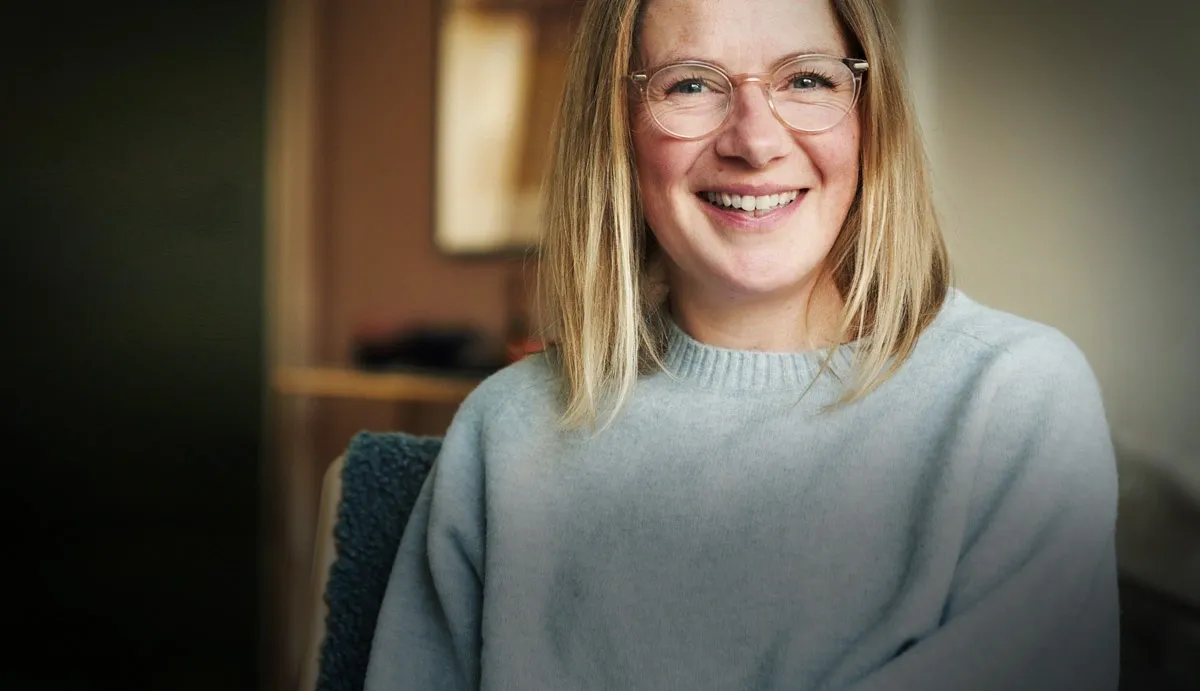
"Addiction is not a moral failing — it is a coping mechanism that once served a purpose. Together, we can understand what it has been protecting you from, and build a life where you no longer need it."
— Carolyn Stevenson
Home » Therapy Approach » Addiction and coping behaviours
Understanding Addiction
Addiction is far more than a habit or a lack of willpower. It is a complex, often deeply rooted response to pain, stress, trauma, or emotional unmet needs. The brain adapts around addictive substances and behaviours in ways that make change feel impossible — but it is not.
Whether you’re struggling with alcohol, substances, gambling, or compulsive behaviours, the shame and secrecy that often surround addiction can be as damaging as the dependency itself. In our work together, there is no judgment — only curiosity, compassion, and a genuine desire to help you find a different way.
I take a whole-person approach: understanding what the addiction has been doing for you, what needs it has been meeting, and what life you want to build in its place.
You are not alone in this
Approximately 1 in 3 people in the UK are affected by addiction — either personally or through a loved one. Reaching out is an act of profound courage, not weakness.
Common Signs of Dependency
- Using more than intended
- Cravings or strong urges
- Withdrawal when stopping
- Continuing despite harm
- Using to manage emotions
- Failed attempts to cut back
- Neglecting responsibilities
- Secrecy or hiding behaviour
- Relationship difficulties
- Loss of interest in other activities
The Biology of Addiction
Addiction involves real neurological changes in the brain's reward and stress systems. Understanding this removes blame and opens the door to genuine, compassionate healing.
Types of Addiction I Work With
Alcohol Dependency
From problematic drinking patterns to physical dependency — exploring the emotional drivers and building a sustainable relationship with alcohol, or life without it.
Substance Use
Support for dependency on recreational drugs, prescription medications, or other substances — without shame, with genuine curiosity about what has driven use.
Gambling
Compulsive gambling and betting behaviours that are causing financial, relational, or emotional harm — understanding the thrill-seeking and escape beneath the surface.
Digital & Internet
Compulsive social media use, online gaming, or pornography dependency — exploring how digital escape has become a coping mechanism and building real-world connection.
Behavioural Addiction
Exploring the relational patterns within families — between parents, siblings, and across generations — and how they shape who we are in all our relationships.
Codependency & Loved Ones
Affirming, knowledgeable support for those in ethically non-monogamous or polyamorous relationships — navigating jealousy, boundaries, and communication.
My Approach to Relationship Therapy
I draw on an integrative, evidence-informed framework — weaving together the most effective relational therapeutic approaches, always tailored to the unique dynamic of each couple or individual I work with.
Integrative Relational Therapy
Drawing on multiple modalities to address the emotional, cognitive, and relational dimensions of your experience — nothing is one-size-fits-all.
Gottman-Informed Methods
Using research-backed tools from the Gottman Institute to identify and transform the patterns that predict disconnection — the Four Horsemen and beyond.
Systemic & Family Systems Thinking
Understanding each relationship within its wider context — family of origin, cultural background, and the systems that shape how we love and connect.
Attachment-Based Exploration
Gently exploring early attachment patterns and how they show up in adult relationships — bringing compassion and curiosity to the ways we seek and give love.
What to Expect
Free Consultation
A 15-minute phone call to discuss your situation, answer questions, and ensure we're a good fit before committing to anything.
Initial Assessment
Your first session is a gentle exploration — understanding your history, what's been happening, and what you'd like to change.
Tailored Sessions
Together we'll create a personalised plan drawing on the most relevant therapeutic approaches for your specific anxiety presentation.
Ongoing Support
Regular sessions to track progress, build skills, and adapt the approach as you grow. We review regularly to ensure therapy is working.
75 min
Couples session length
Weekly
Recommended frequency
8–24
Typical number of sessions
What You Can Achieve
Deeper, more authentic communication
Learning to speak and listen in ways that truly reach each other — beyond defensiveness and withdrawal.
Renewed intimacy and closeness
Rebuilding emotional and physical connection that may have faded or been damaged over time.
Healthier conflict resolution
Developing the tools to navigate disagreements without escalation, contempt, or lasting damage.
Restored trust and security
Carefully rebuilding the foundation of safety and reliability that allows a relationship to flourish.
Greater self-awareness in relating
Understanding your own patterns, needs, and triggers — creating lasting change in how you show up in all your relationships.
Client Experiences
Why Work With Carolyn?
BACP Accredited Psychotherapist
Fully accredited member of the British Association for Counselling and Psychotherapy, adhering to the highest ethical standards.
Specialist Couples & Relational Training
Advanced training in Gottman Method, Emotionally Focused Therapy (EFT), and systemic approaches for couples and relational work.
10+ Years Experience
Extensive experience working with anxiety across NHS, private practice, and charitable sector settings.
Regular Supervision & CPD
Committed to ongoing professional development and regular supervision to ensure the highest quality care.
10+
Years Experience
500+
Clients Supported
BACP
Accredited Member
Frequently Asked Questions
"Reaching out for relationship support takes real courage. Once you do, I'll make sure both of you feel heard, respected, and genuinely supported every step of the way."
— Carolyn Stevenson
Do both partners need to attend sessions?
What if my partner is reluctant to come?
Will you take sides or tell us what to do?
Can therapy help if we're considering separation?
Do you offer online couples sessions?
Related Therapy Areas
Anxiety often connects with other areas of life. I also offer specialist support for:
Anxiety Therapy
Attachment anxiety and relational fear patterns
Depression Counselling
Low mood and its impact on intimate relationships
Trauma Therapy
Processing past wounds that affect how we connect
Stress & Burnout
How overwhelm and exhaustion strain relationships
Ready to Begin Healing Together?
Serving clients in Hertfordshire, North London, and across the UK online